
02 Nov Back to the Bootheel
Posted from Seattle, WA, November 2, 2026
We Spent the last half of October in the bootheel of New Mexico where my parents-in-law lived for the last 40 years of their lives.
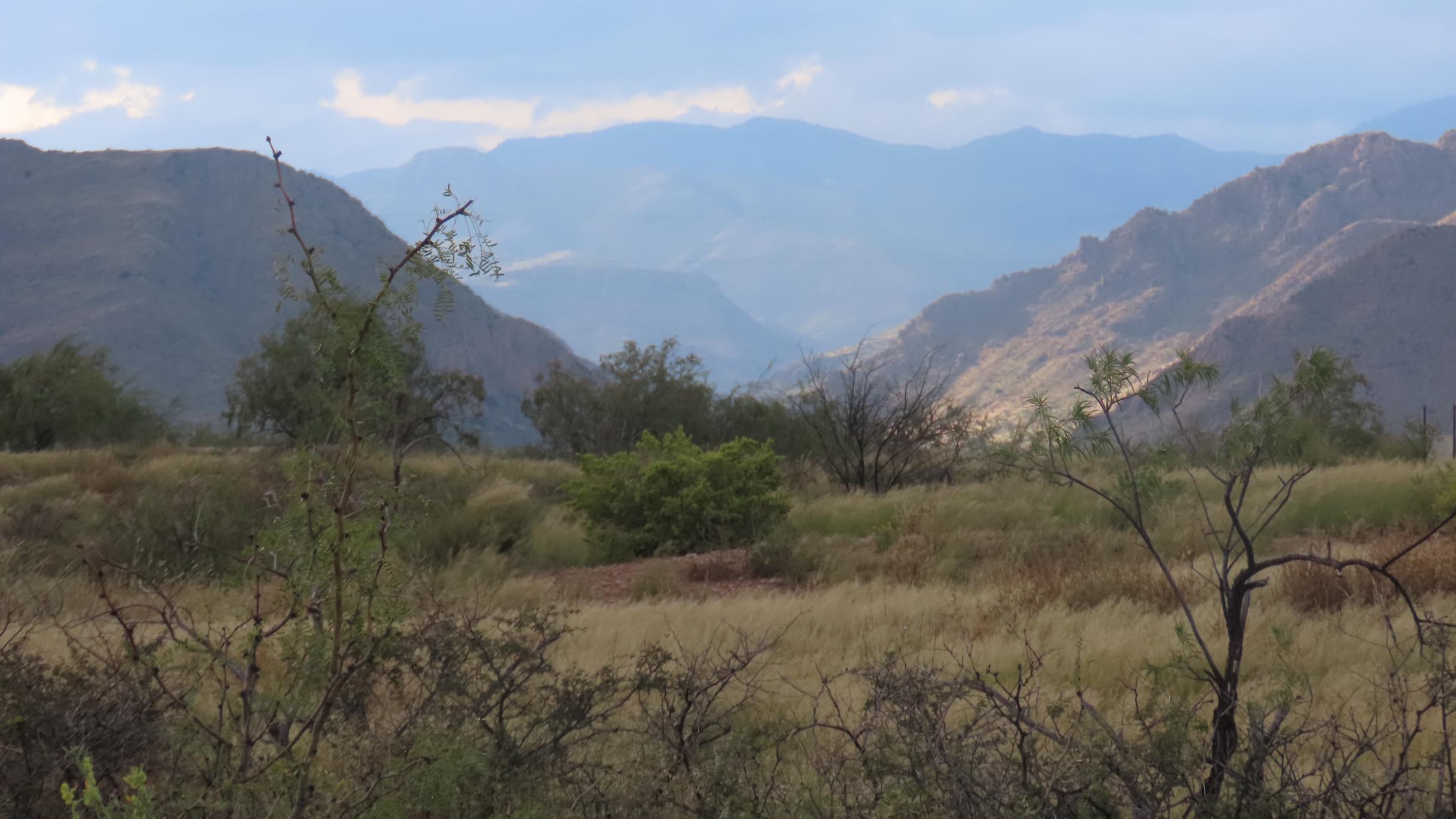
The drive across Arizona and into New Mexico was a bit magical. It’s been a little while since we’ve seen the Southwest range after a pretty-good summer monsoon. This shot is looking directly into the Chiricahua Mountains of Arizona, through Horseshoe Canyon, as we turn east onto the road that takes us into New Mexico and the 6 miles across our neighbor’s ranch up into the Peloncillo Mountains of New Mexico and to the house.
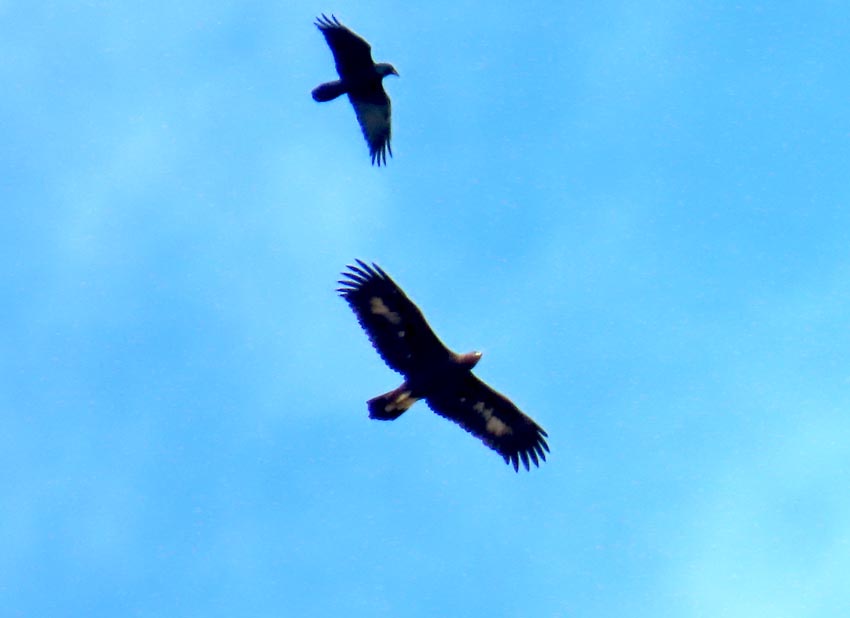
A young Golden Eagle flew over the canyon and immediately attracted a Common Raven that may have been defending a future nest site or may have been showing off for a mate that may have been sitting on the rim of Eagle Mountain.
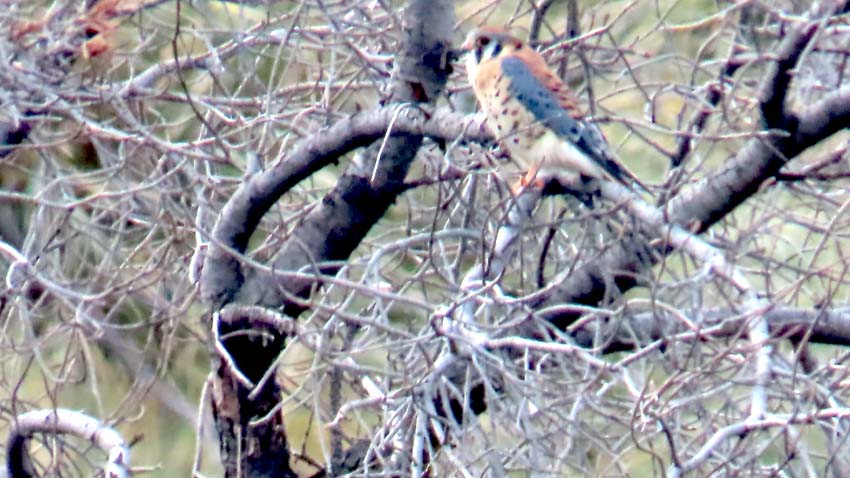
The Kestrel that set up the compound as a roost site had survived and continued to enjoy loudly declaring his Lordship over the upper canyon. His mate was on our neighbor’s (larger) ranch down-canyon. We are delighted to have Kestrels–they took a bad dive in the mid-eighties.
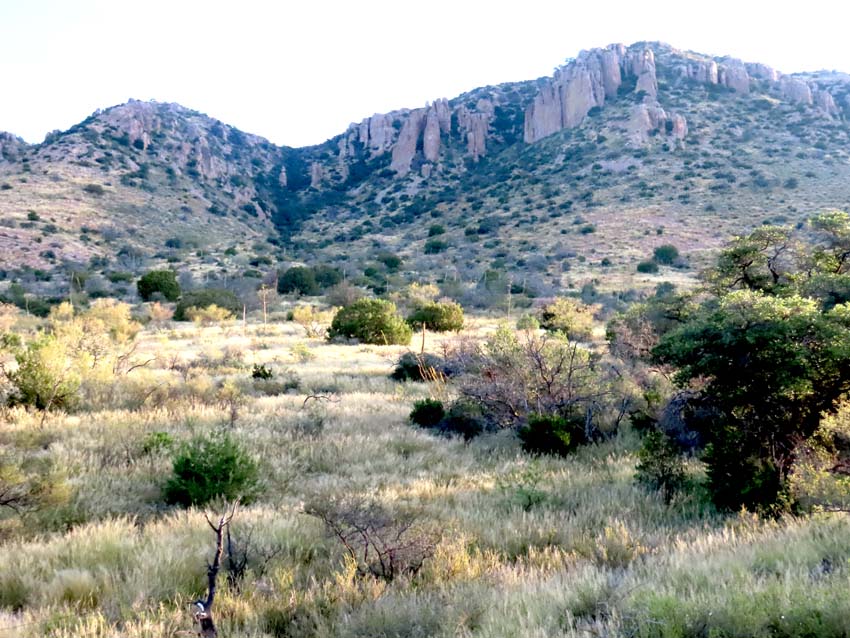
We always called this ridge the Red Cliffs but the radar maps appear to call it Eagle Mountain. Golden Eagles, Red-tailed Hawks and Common Ravens have all used its cliffs for rearing families in the past. This shot is from the front door of the house.
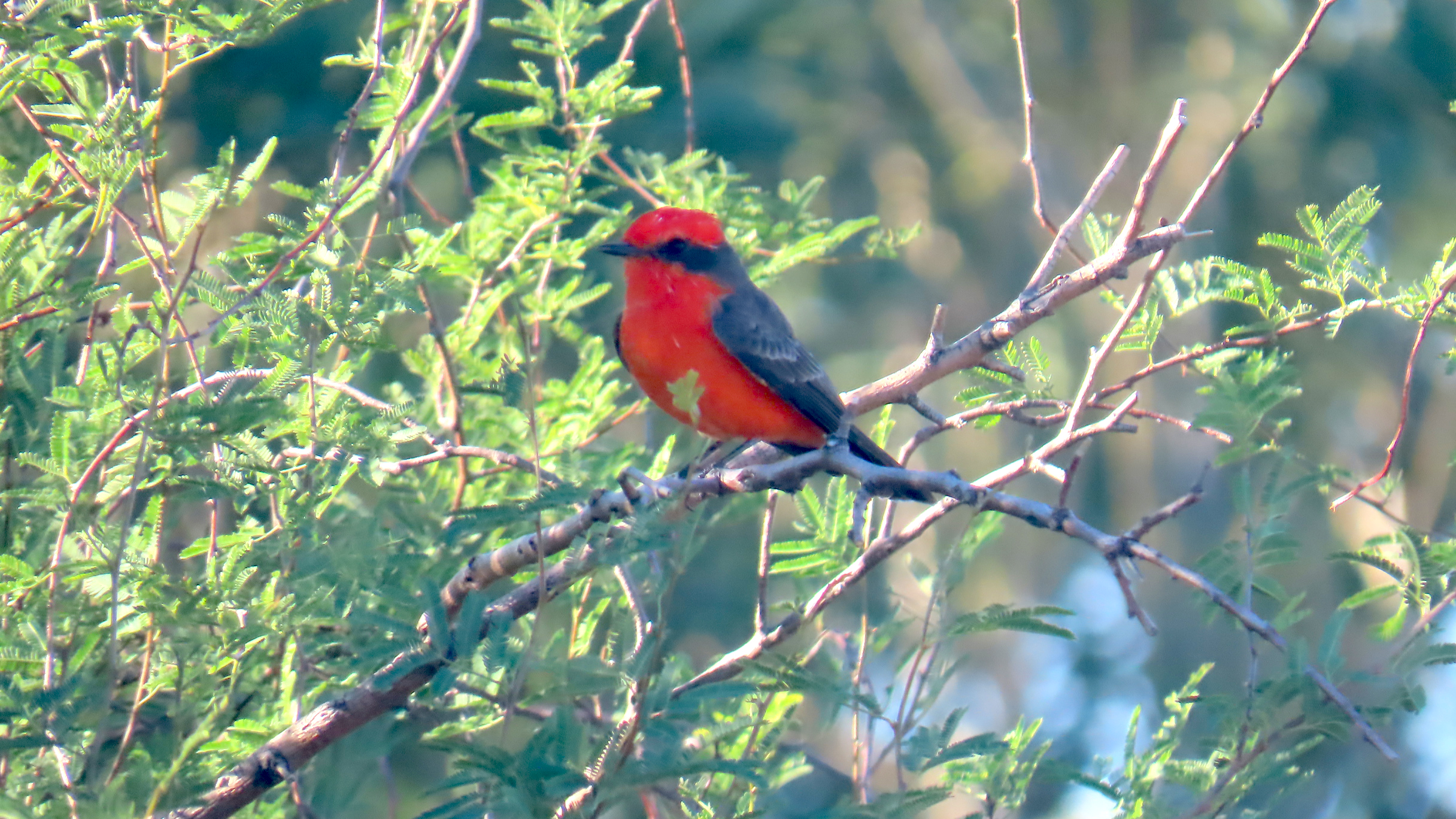
I like to put a shot of a Vermillion Flycatcher up each time we visit the Southwest–it’s such a signature Bird down there because it doesn’t mind people and it likes to post up in very visible places. We had a lot to choose from this time because the Southwest, at least from Tucson east had a decent monsoon this summer. This one was in the Airport Wash at the Tucson Airport, along with 4 or five others.
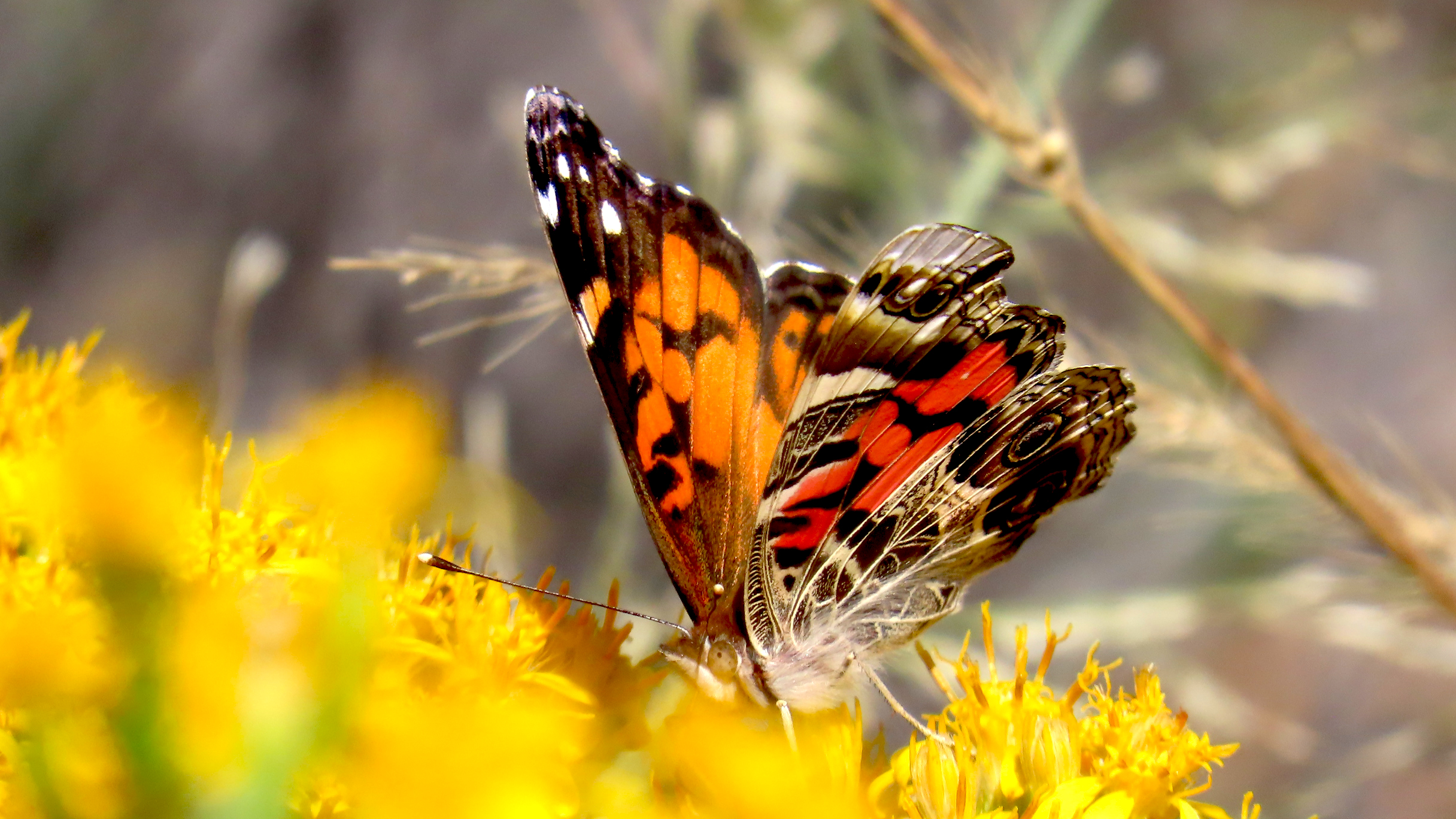
There were good numbers of Painted Ladies in the upper canyon.
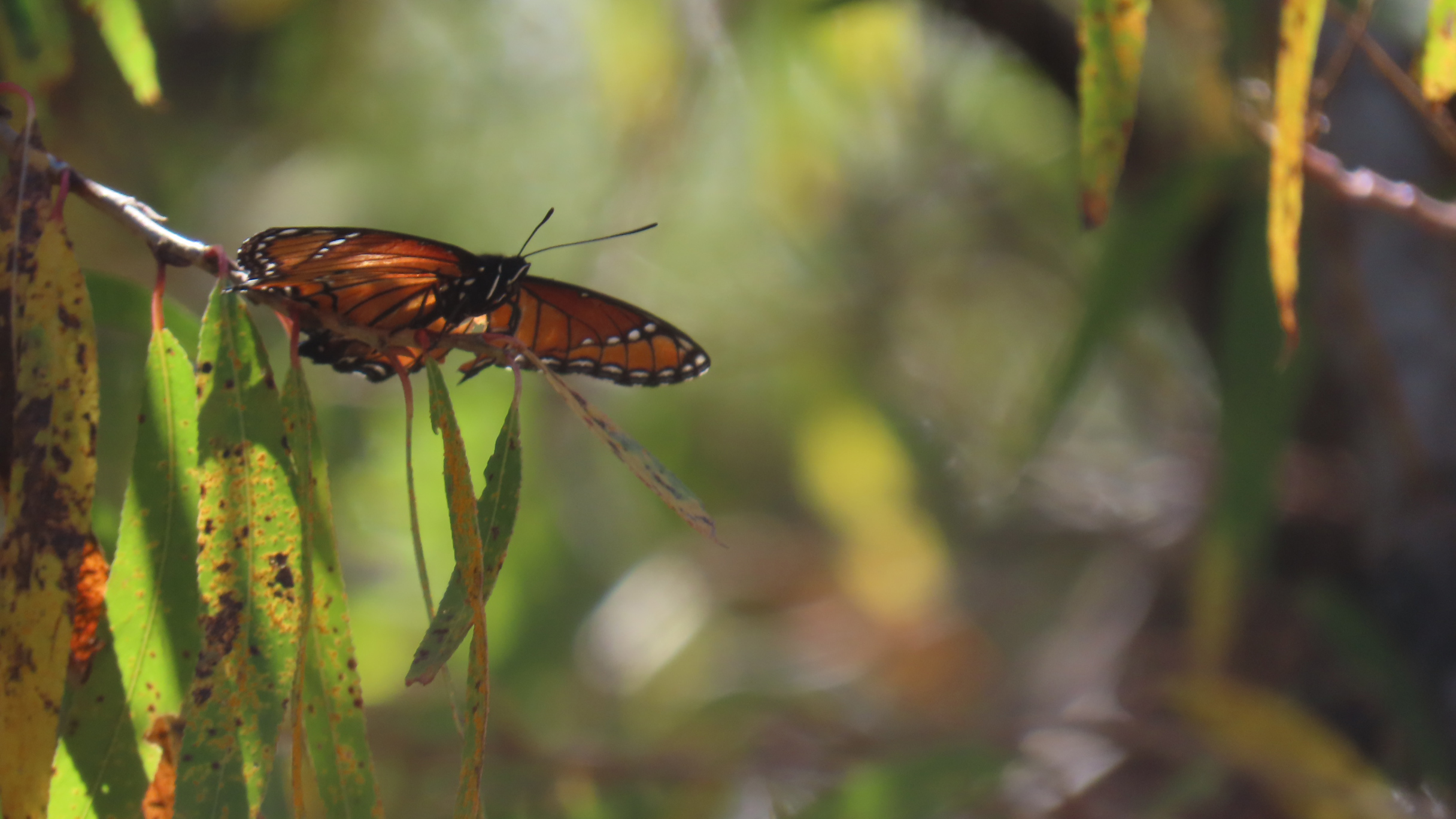
We left the Butterfly Book where it belongs, at the ranch, so I don’t know if this is a Viceroy, a Queen or what? Monarch??? We are terribly uninformed on Butterflies. Anyone who knows is welcome to email me at ednewbold1@yahoo.com.
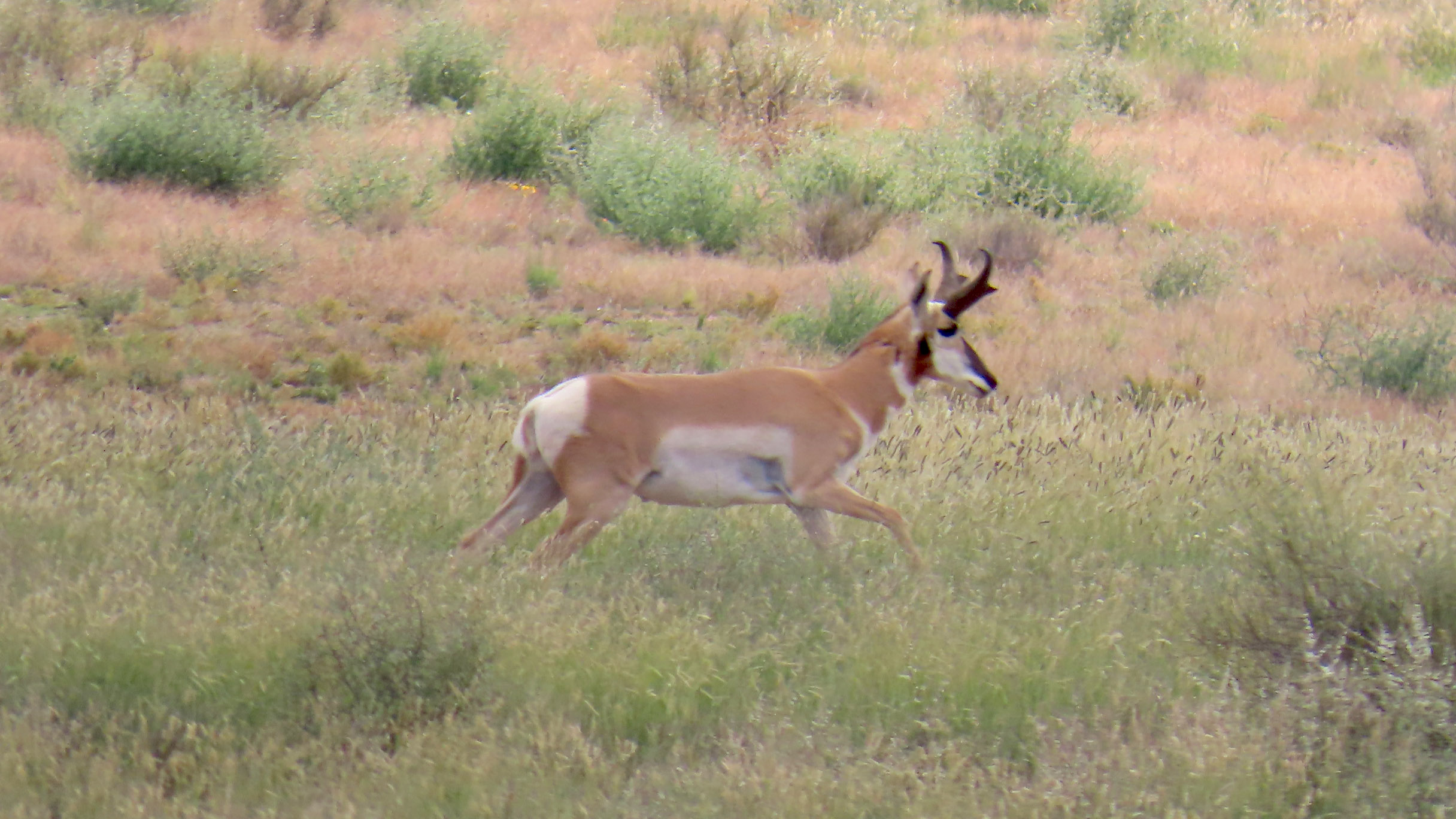
A Pronghorn was in the Animas Vally, the grassland-plains south of Lordsburg, New Mexico. They were looking good!
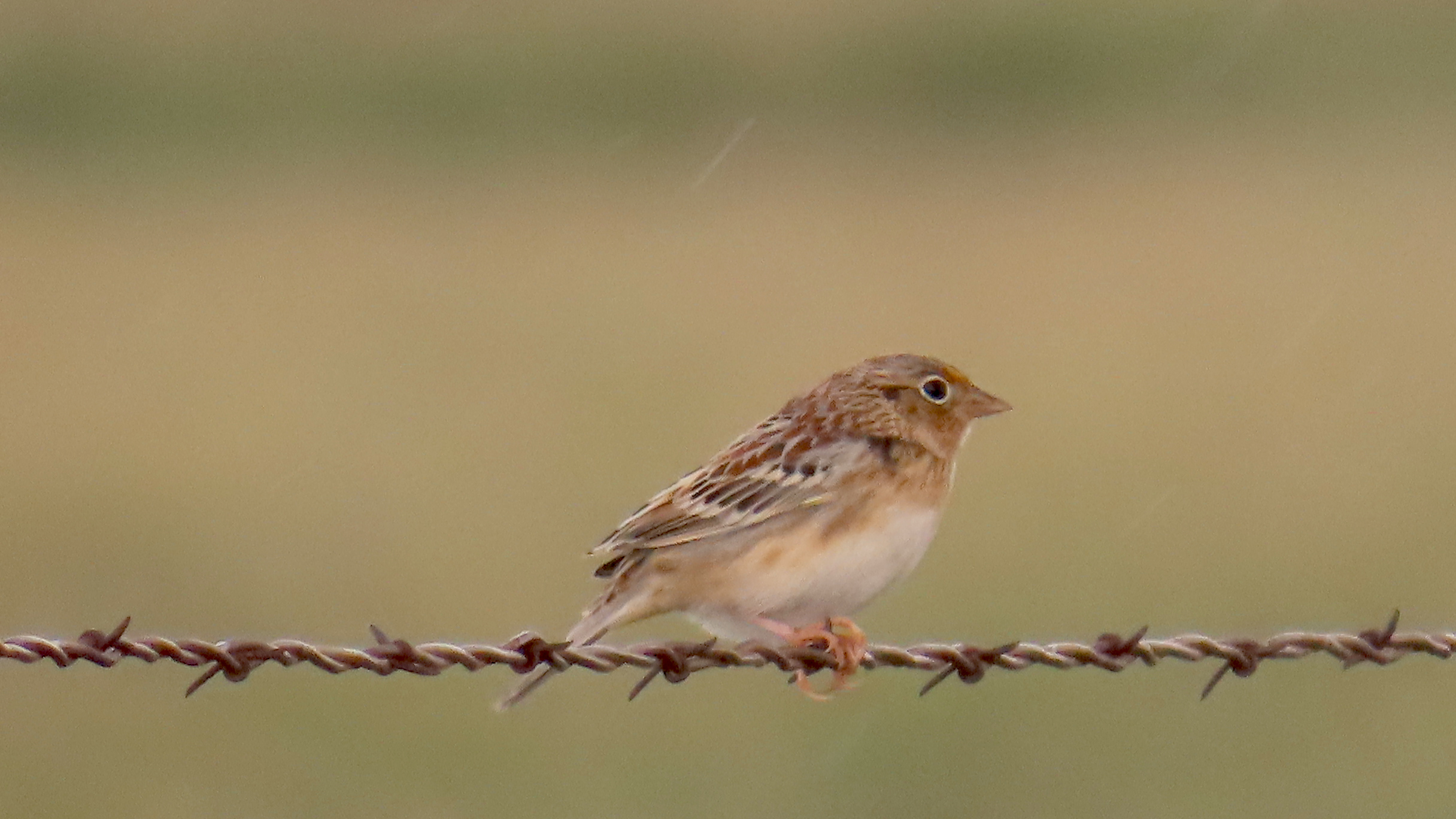
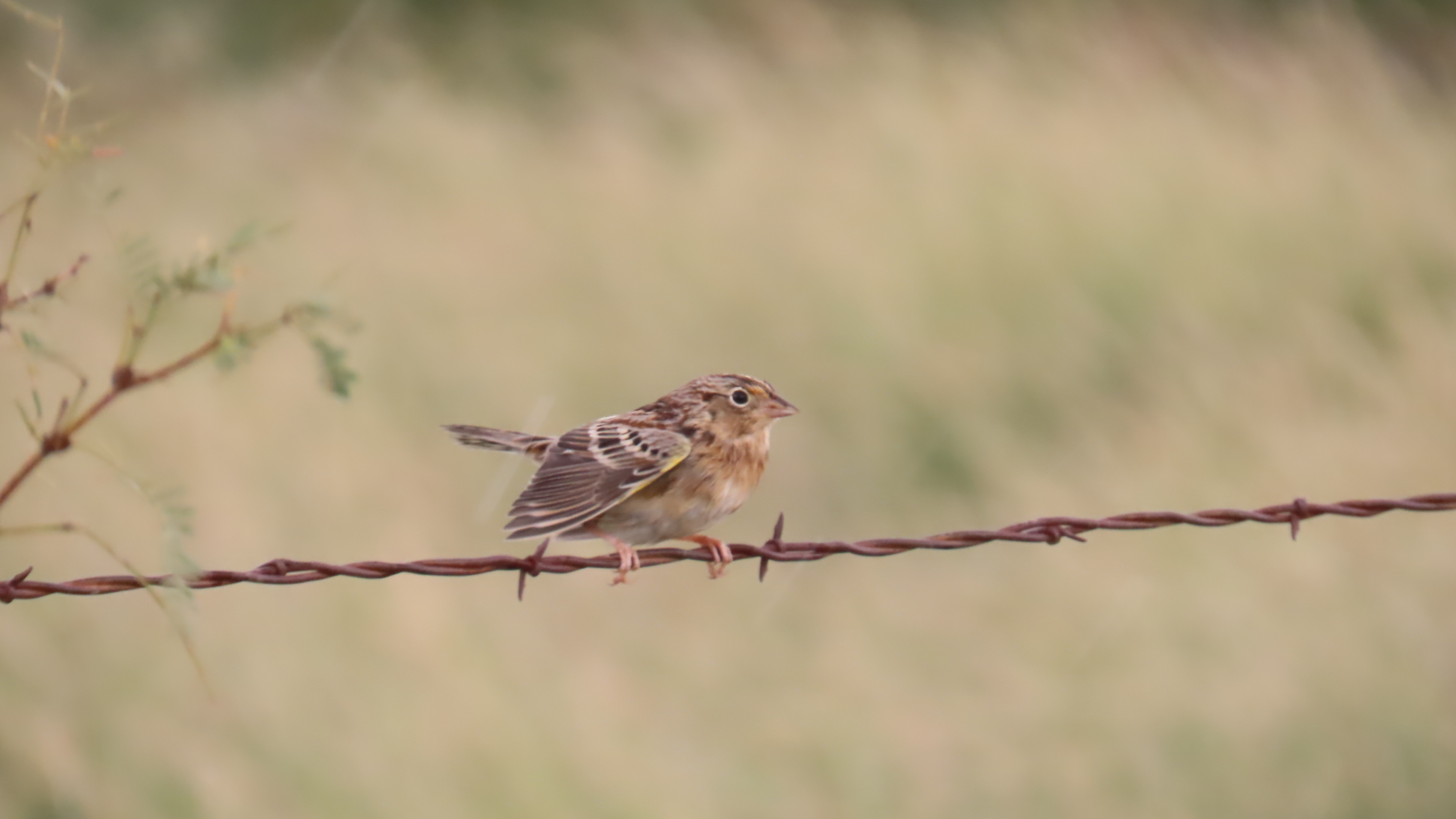
We encountered Grasshopper Sparrows, who like short-rise grasslands, (not an accepted Botanical term!) north of Lordsburg.
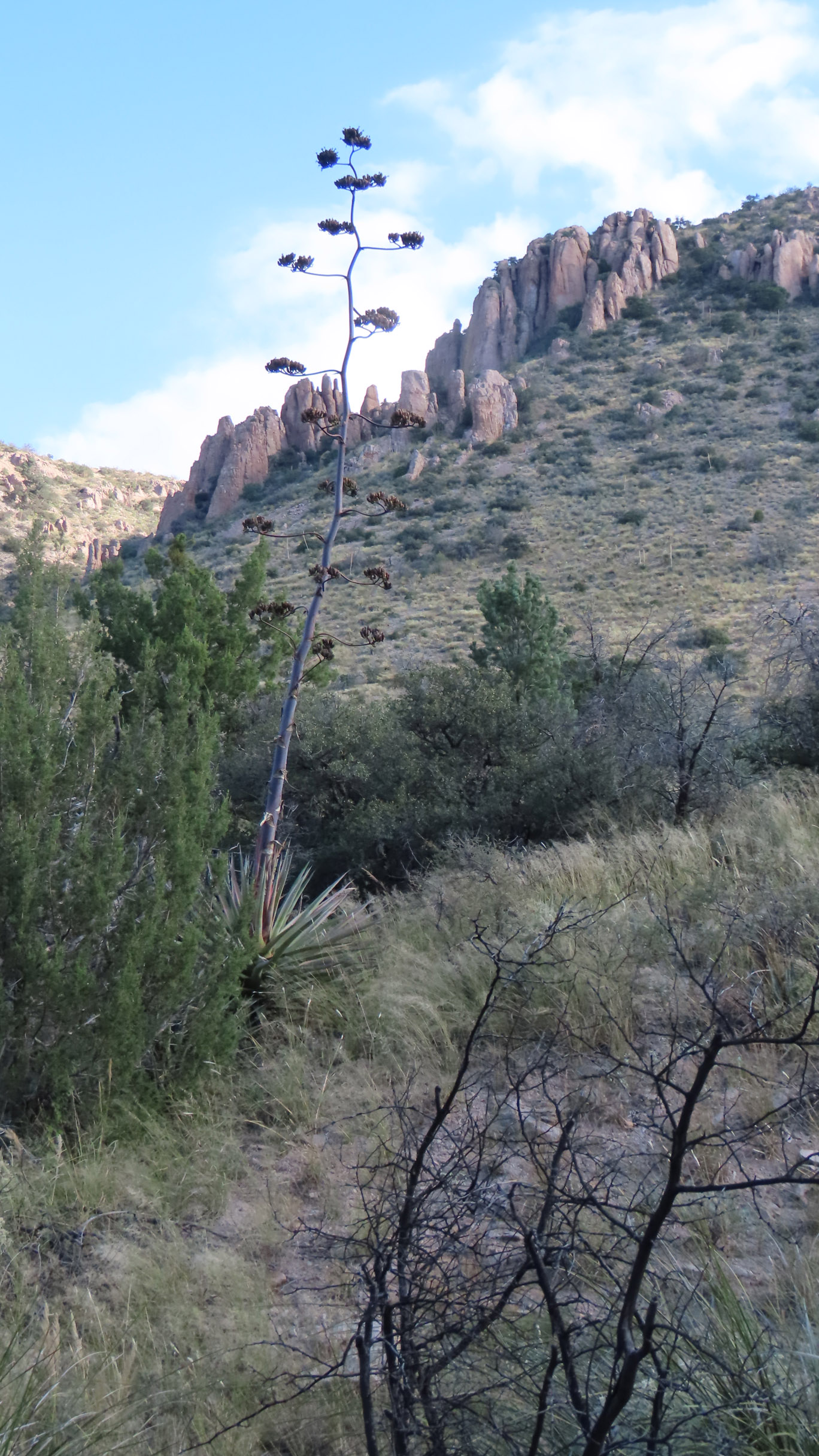
An Agave that bloomed this year made a nice juxtaposition with Eagle Mountain.
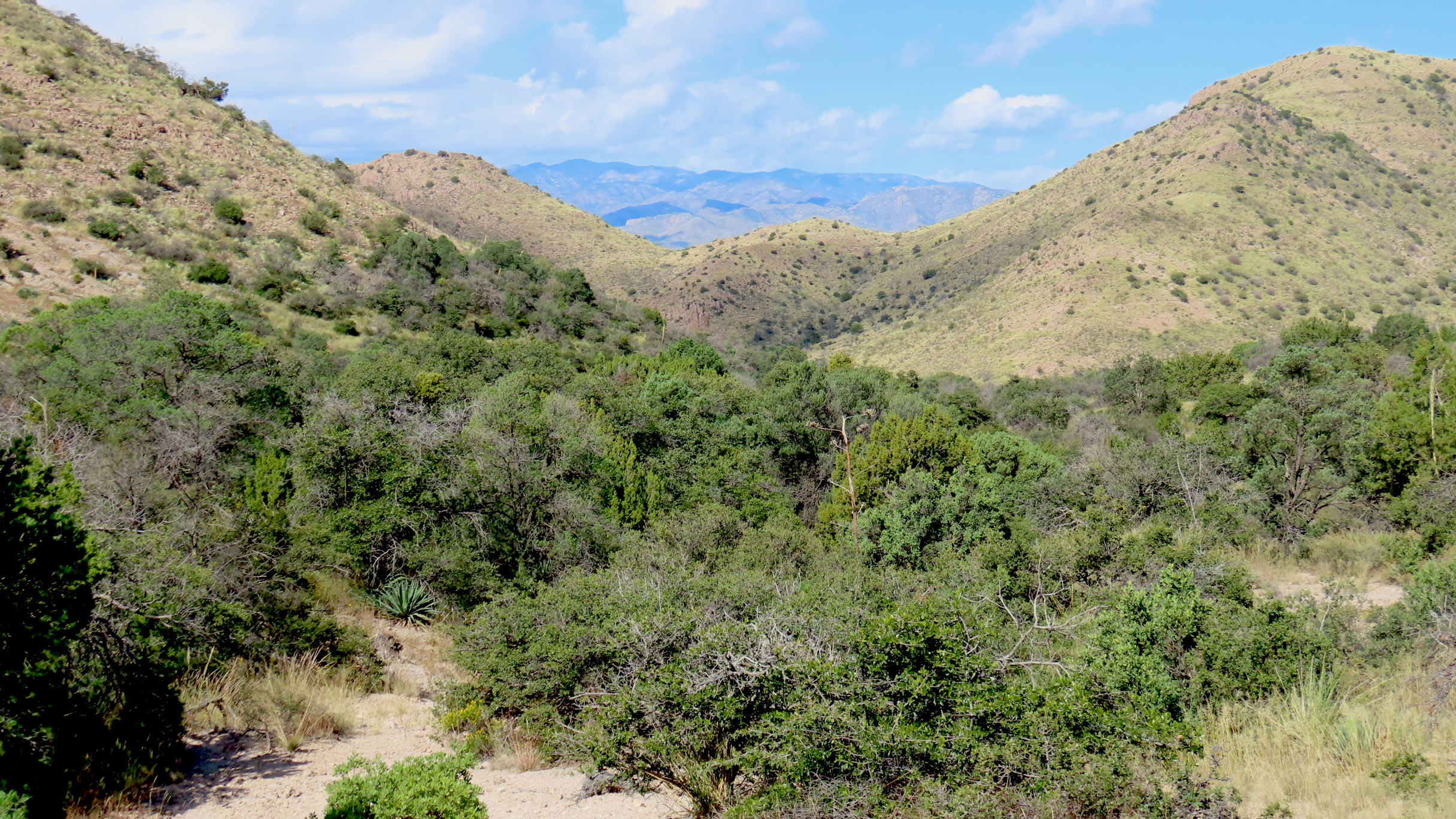
We went upcanyon every day. This is the view back down the canyon to the Chiricahua Mountains.
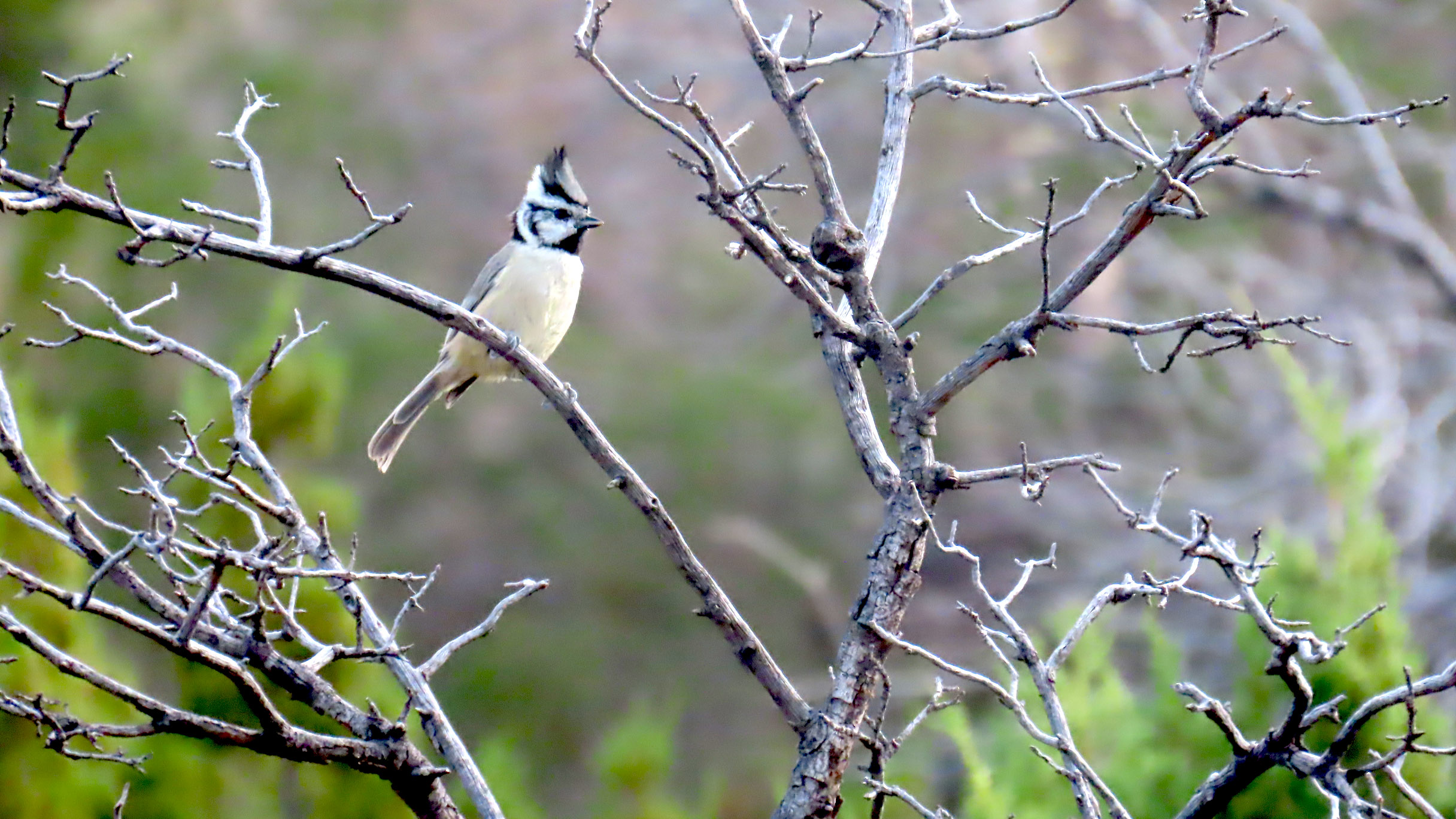
A cousin of the Chickadees. Titmice are always a pleasure to encounter on the trail. This is a Bridled Titmouse which was kind enough to strike this pose
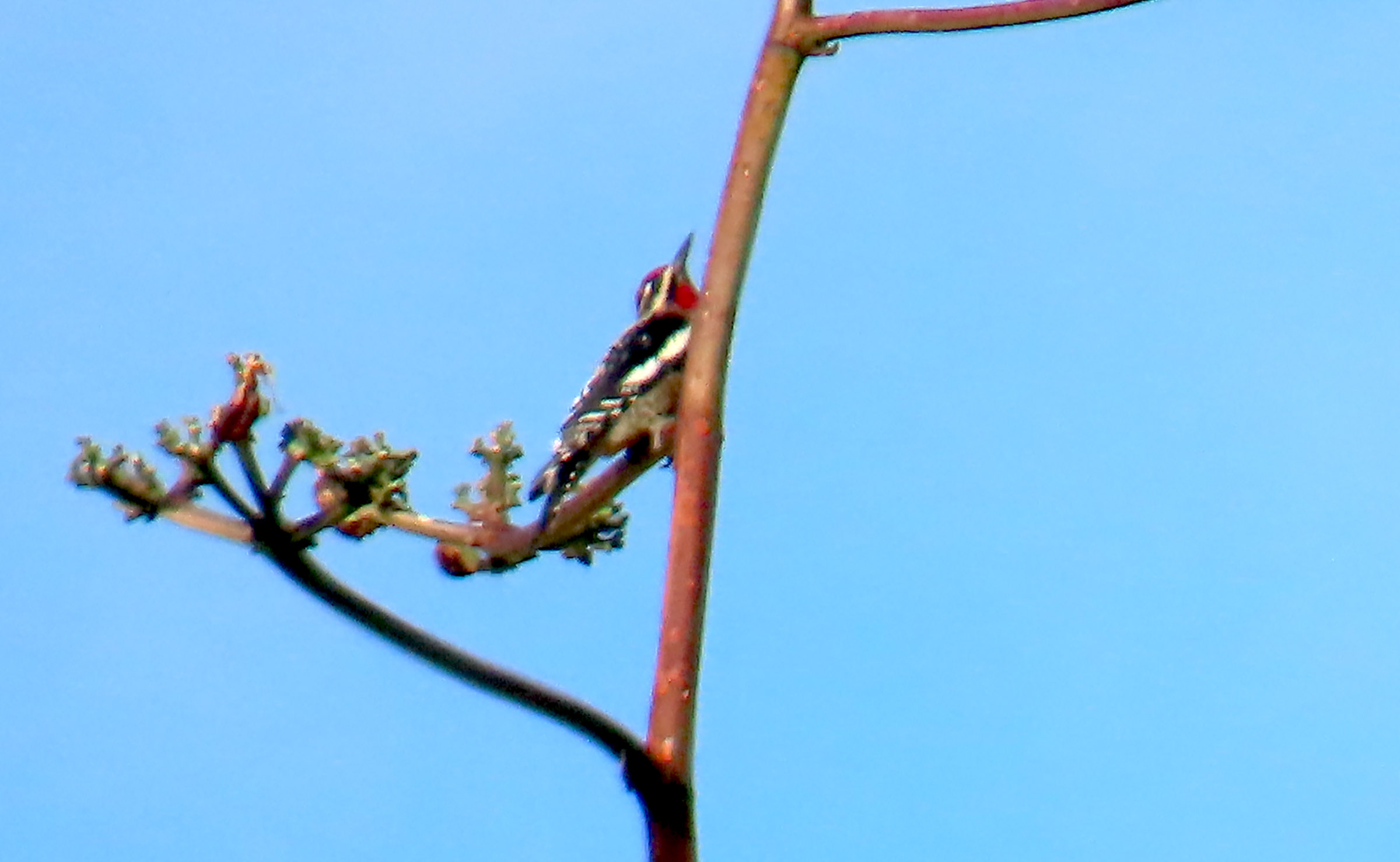
The last two winters we hadn’t seen a Red-naped Sapsucker in the upper canyon, so we were delighted that one had come back this year.
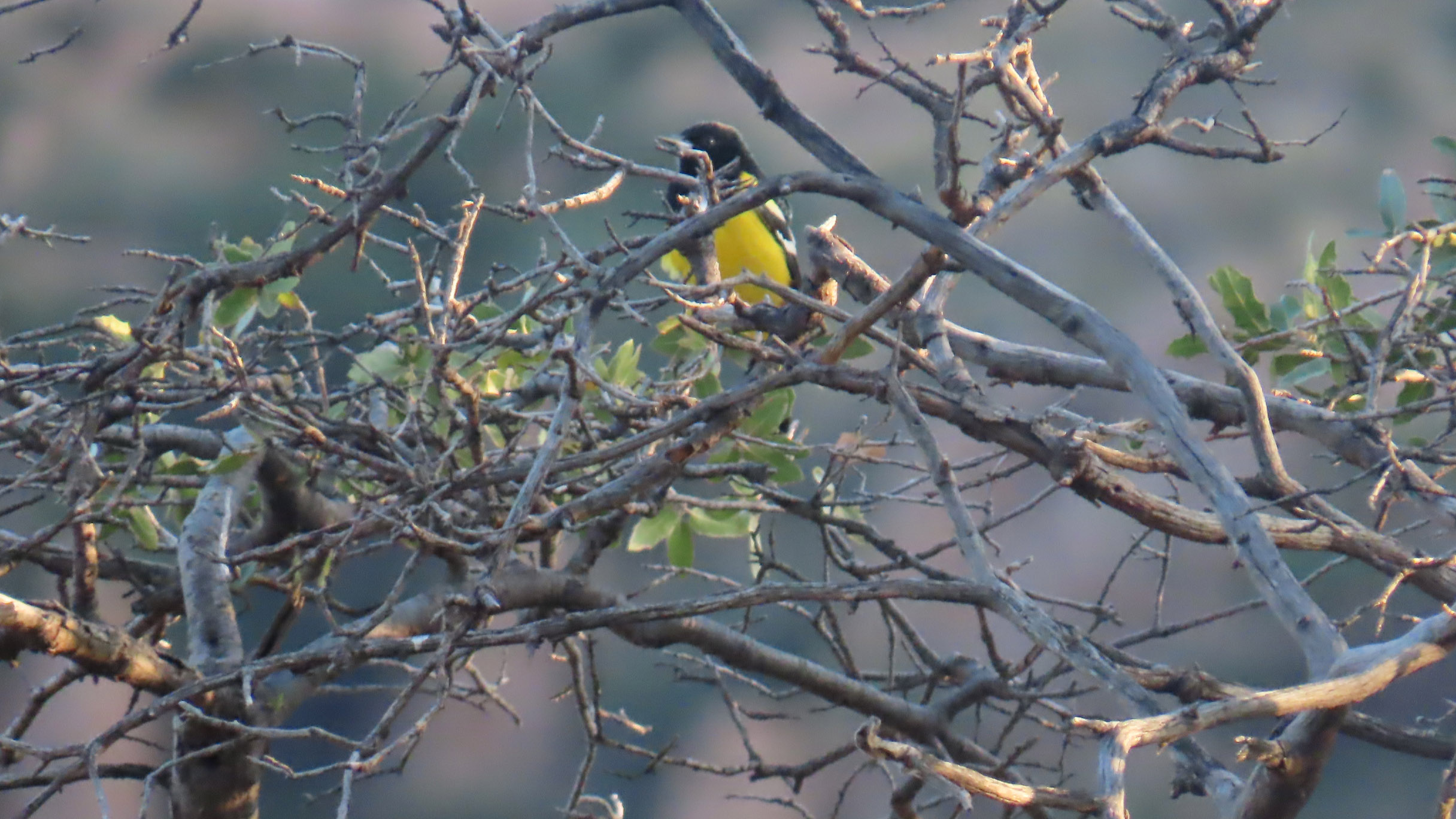
Scott’s Orioles are a major contributor to the soundtrack of the Canyon with their hauntingly beautiful song. They were packing up and leaving the canyon but we got to see and hear a couple before they left.
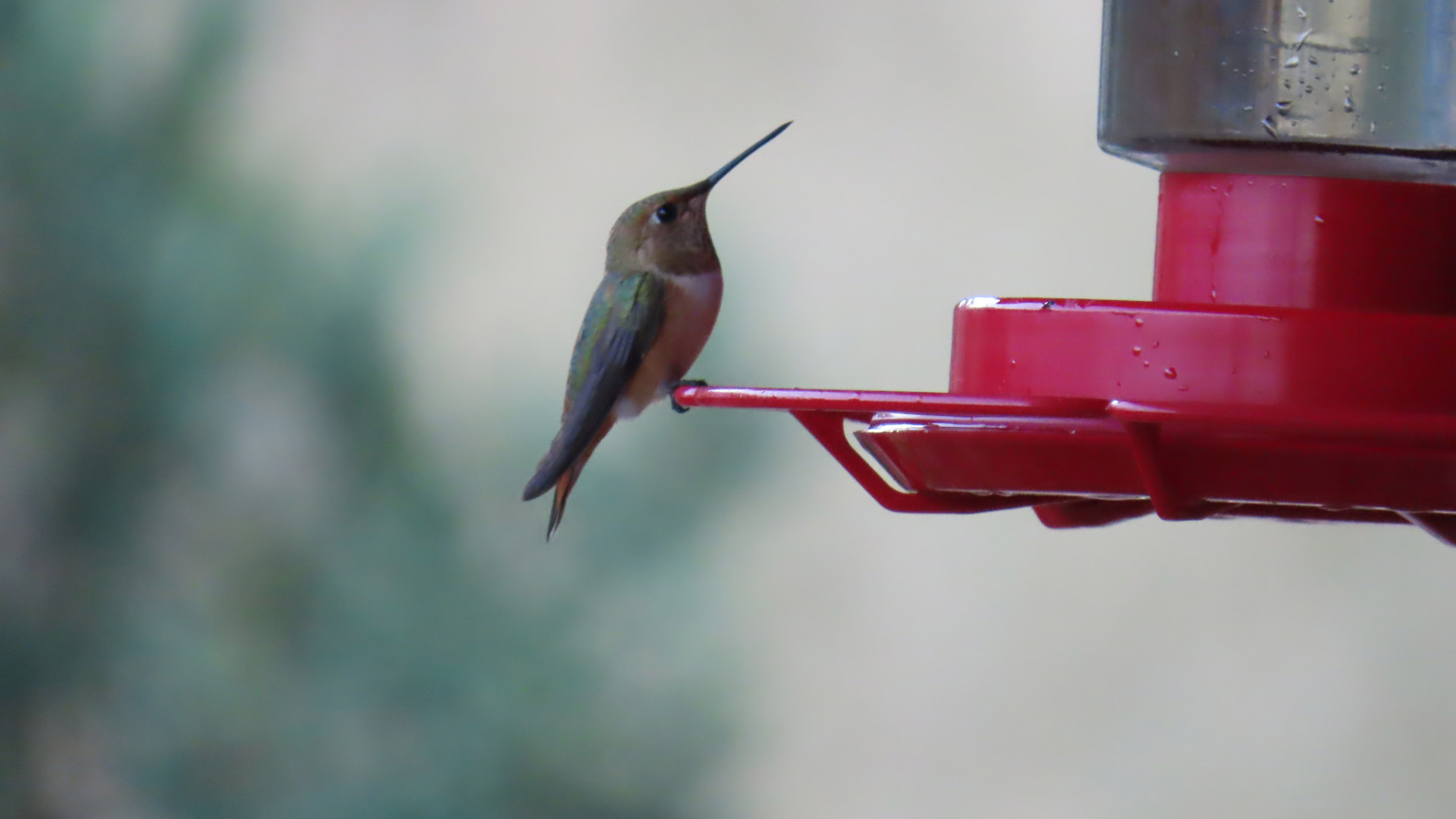
A Rufous Hummingbird stopped in, a late migrant, for a drink before heading on south.
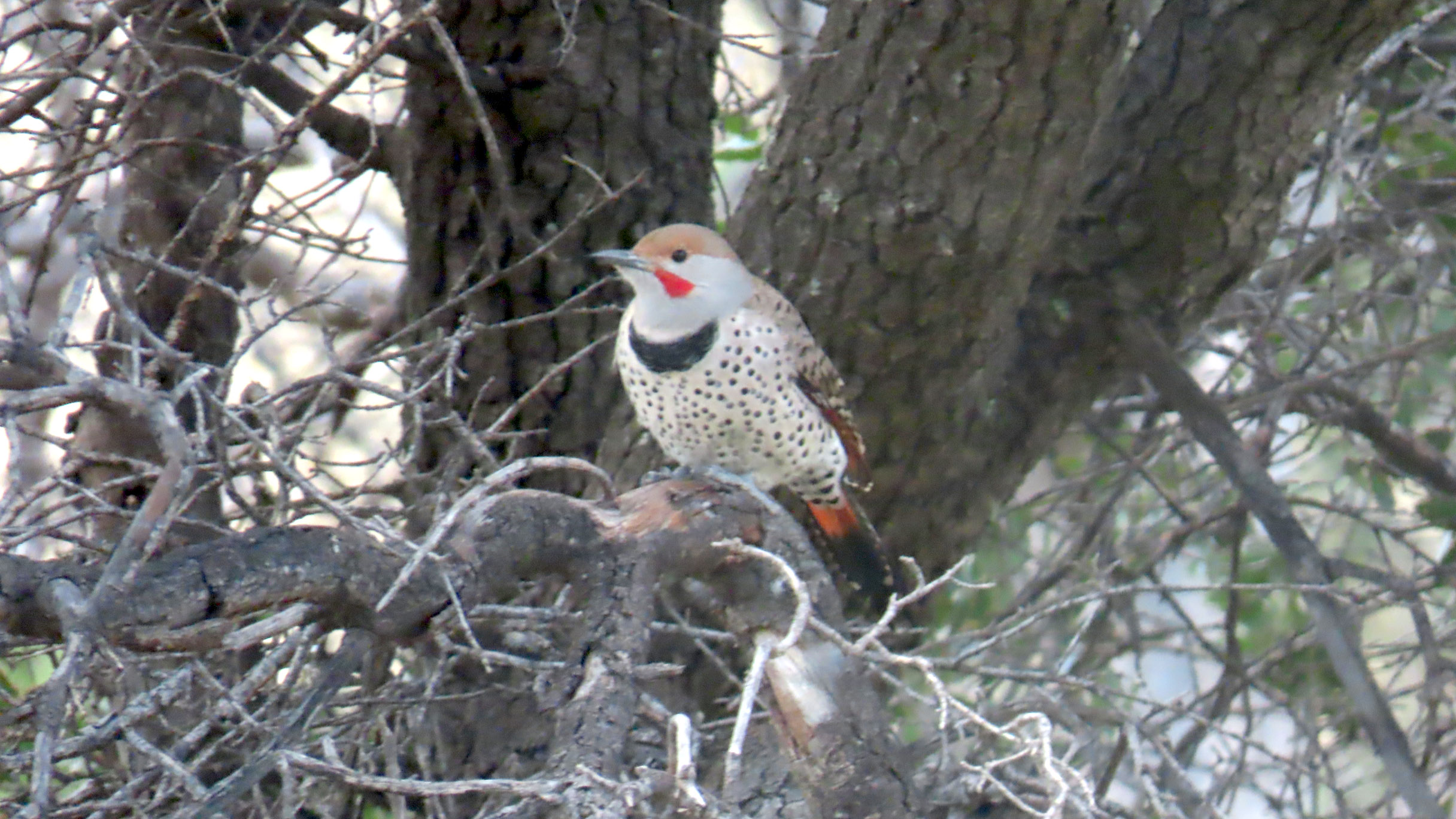
The Northern Flickers in the Bootheel are nice and colorful.The Flickers were out in force and might have been very appreciative of the wetter subsoil from the monsoon. The are Ant-hunters and even the Pogo Ant colonies were up and running through our visit.
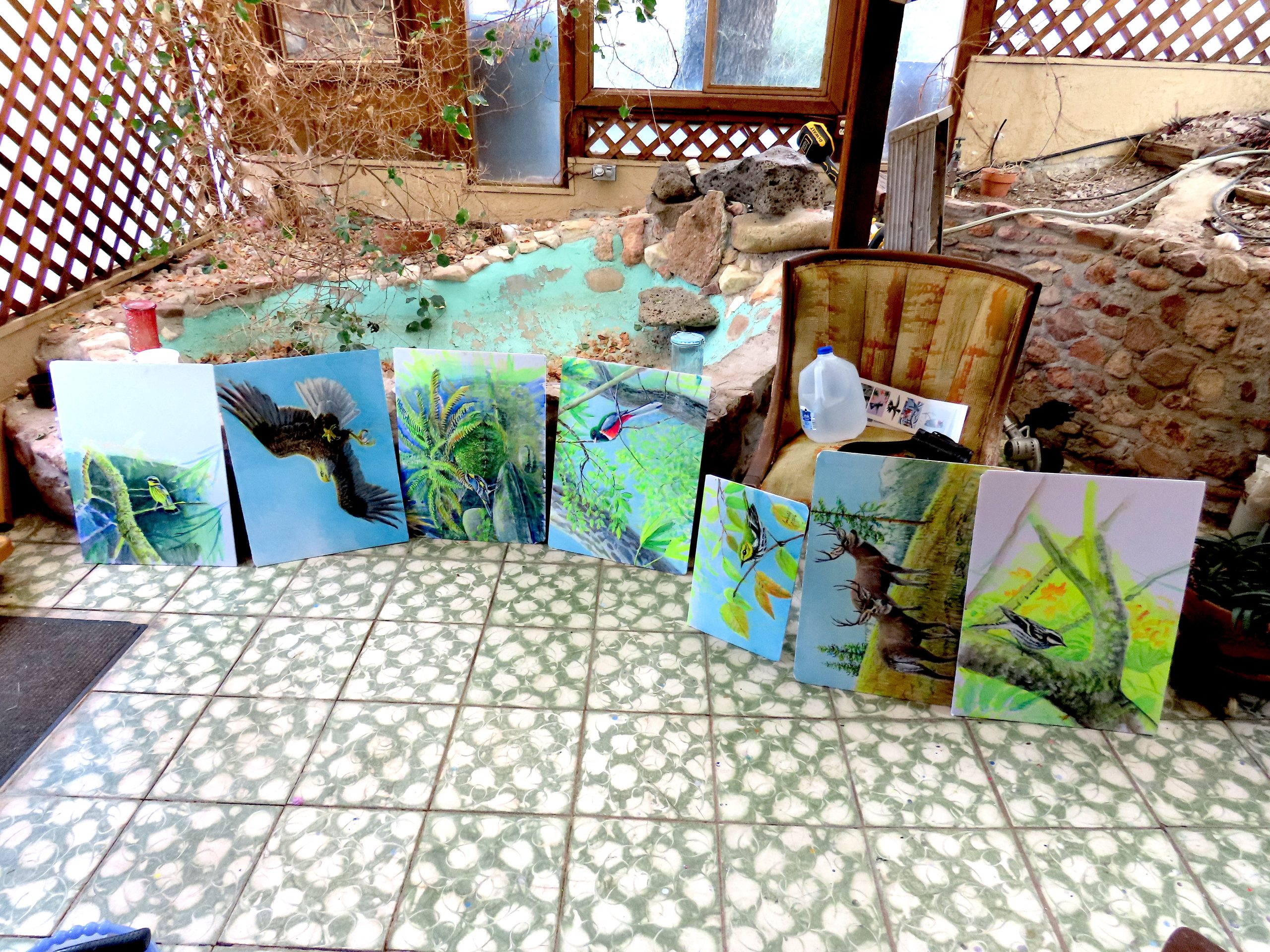
All this painting I got done in the last three visits to the Bootheel. There is no better place to paint, although it’s pretty easy to beat Seattle as a place to paint.
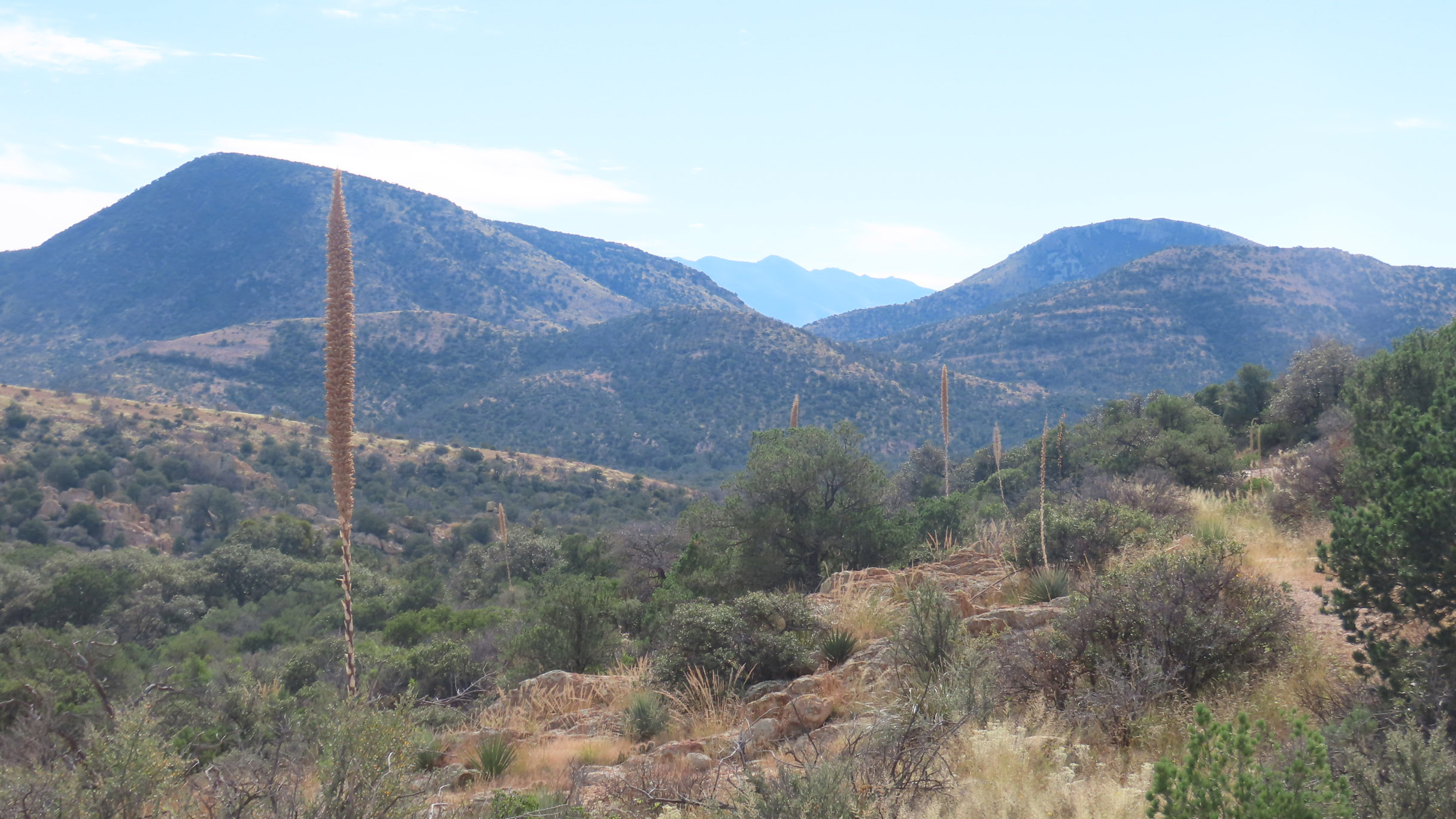
We went over the pass on a long hike to the eastern slope of the Peloncillos. It’s rough walking and we are getting older, so it was an easy choice to turn around as soon as we saw a very healthy-looking Black Bear with nice shiny fur. We wouldn’t pretend not to be afraid but I have to say, this big Bear bolted off the trail as quick as it could when it saw us. This is Baldy Peak and Black Mountain of the Peloncillo Mountains.
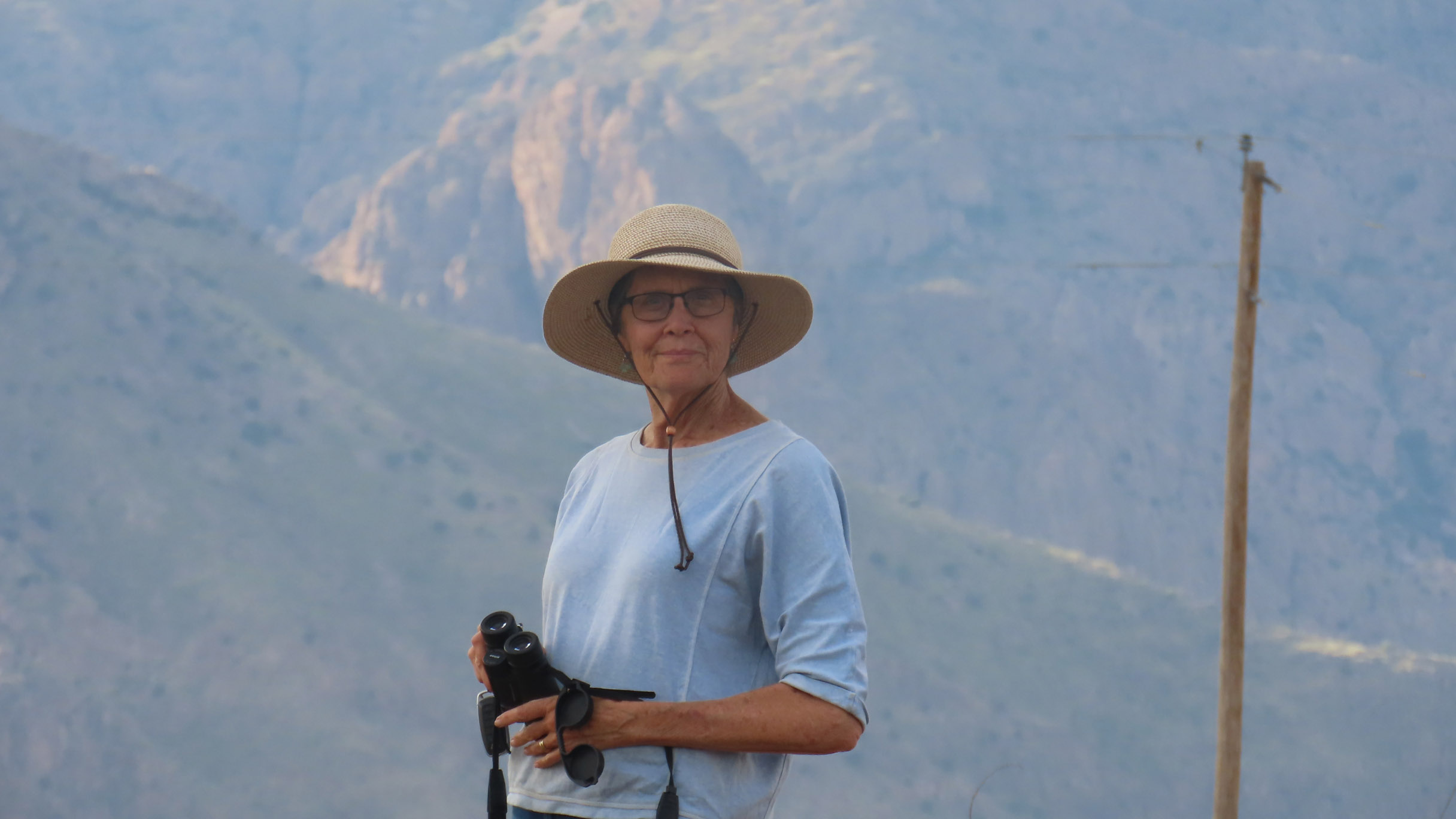
We decided to go the southern route back to Tucson. Here Delia is in the San Simon Valley with the Chiricahuas in the background.
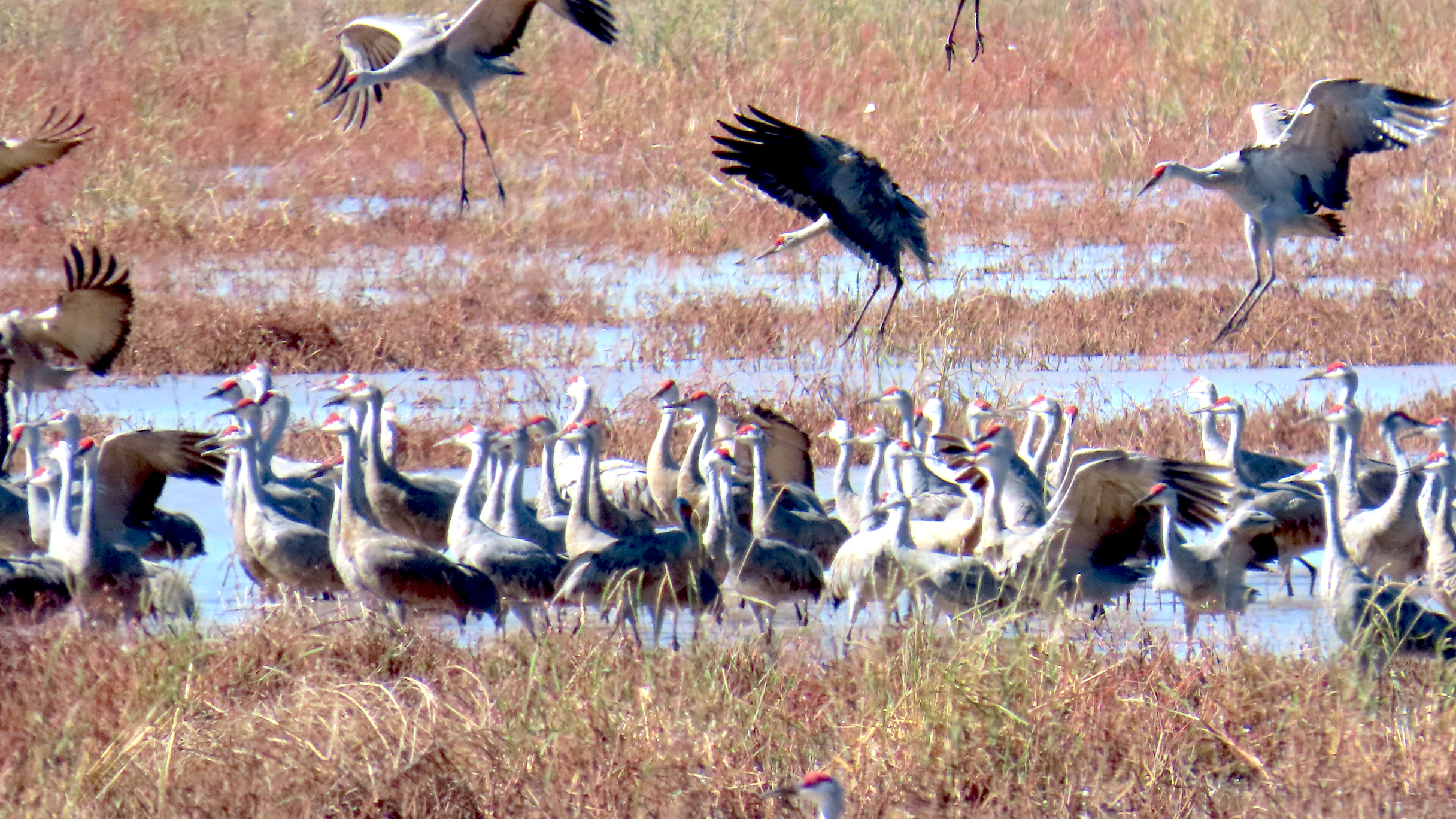
We got to spend half a day at Whitewater Draw in Southeast Arizona. This is the biggest wintering ground for Sandhill Cranes in Arizona and was quite beautiful. There were lots of migrating Swallows overhead, lots of Rails, Phoebes, Vermillion Flycatchers and others. Raptors included Harriers, Prairie Falcon, Harris Hawk, Red-tail and Cooper’s Hawk.
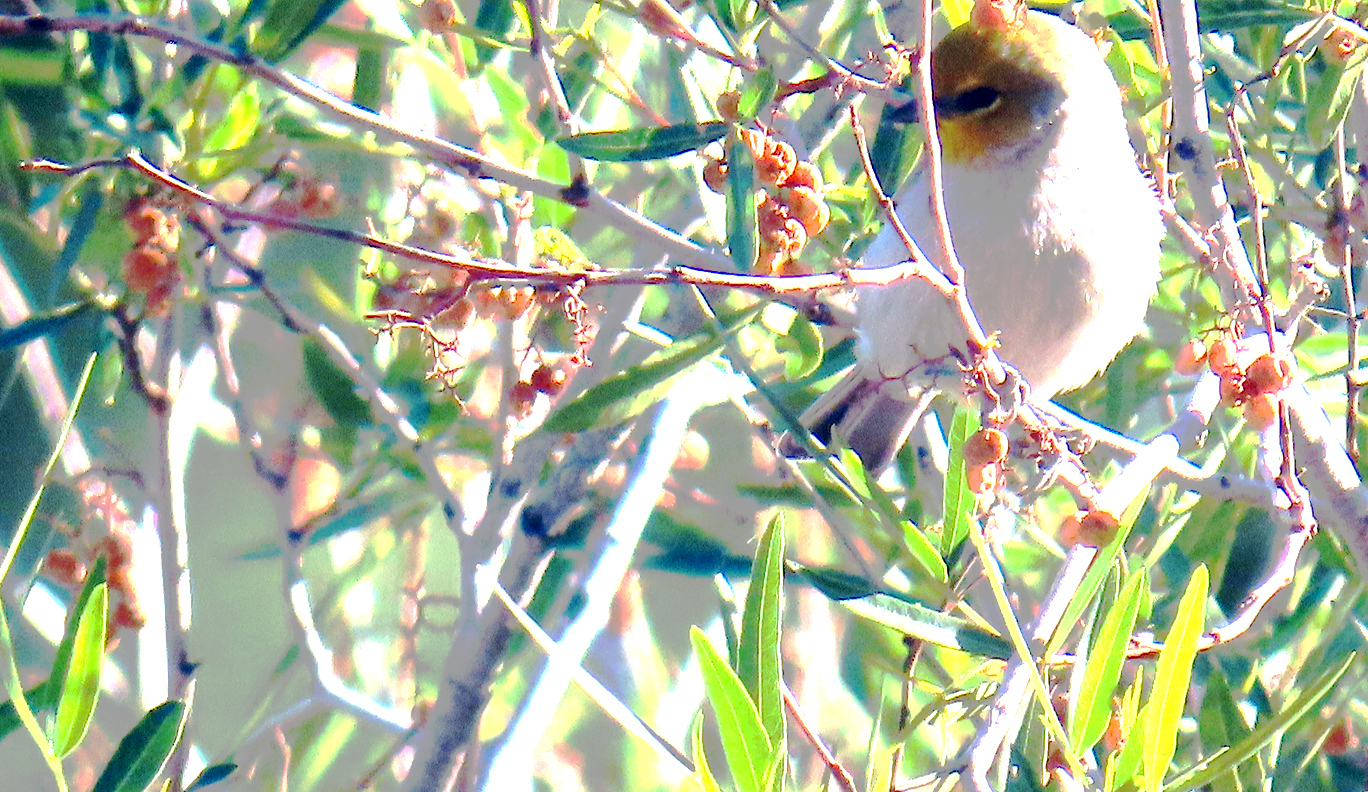
We learned that it’s easy to Bird the Tucson Airport Wash if you don’t try to park the rental car there. We had especial luck on the last morning birding the wash as we ran into this cute Verdin, abundant in Tucson. We also found the Rufous-winged Sparrow, which was our main target there, plus Abert’s Towhee, Pyrrhuloxia and Gila Woodpecker. And we also lucked into an Arizona Lifebird: There is a Northern Finch invasion going on in the Southwest and some Red Crossbills flew over the wash, not a Bird you would normally expect in the lowlands of the Sonoran Desert.
No Comments